hoosing the wrong booking system could cost your hotel more than you expect!
Costs go beyond just the subscription fee; they include time lost on manual follow-ups, errors in updating reservations, and the need to juggle multiple tools for daily operations. Therefore, determining the cost of hotel booking program isn't just about the price tag—the cheapest system isn't always the best fit for your property.
Before making a choice, you need to understand what actually drives the price, identify the features you truly need, and determine whether the system will reduce operating costs or simply add a new burden.
What actually determines the price of a reservation system?
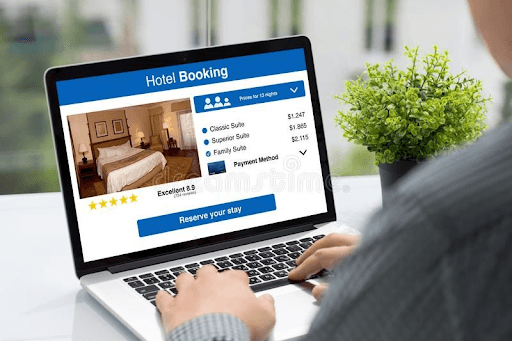
The cost of a hotel booking program varies based on the property's specific needs and operational model. Several key factors directly influence the price, including:
Number of rooms or units: The size of the property dictates the system requirements; managing a small number of rooms differs significantly from operating a large hotel or multiple branches.
Number of users: If multiple departments rely on the system, the property will need user accounts and access permissions tailored to each team's specific tasks.
Reporting: Some properties only require basic reservation tracking, while others need detailed financial and operational reports to analyze performance and make informed decisions.
Room and operations management: Managing room status, housekeeping, and availability within the system helps teams complete daily tasks faster and reduces reliance on manual tracking.
Integrations: Properties utilizing multiple booking channels or systems require robust connectivity between tools to ensure data remains up-to-date and to minimize the risk of booking conflicts.
Revenue management: Hotels that adjust rates based on demand and seasonality require tools that offer precise control over pricing and availability.
Therefore, comparing systems based solely on price is insufficient; the most important factor is understanding what you are getting for the cost and whether the system truly aligns with your property's operational workflow.
What additional costs should you consider before subscribing?
The advertised price is not always the final cost of a hotel booking program; you need to know from the start what the subscription covers and which services incur extra fees.
Setup and implementation fees: Some systems charge separately for account setup, configuration, and tailoring the system to your property's needs.
Training: Check whether staff training is included in the package or requires a separate fee.
Technical support: Inquire about the type of support, availability hours, and whether dedicated support is part of the subscription.
Additional users: Some packages limit the number of accounts, so adding more users may increase the cost.
Integrations: Connecting the system with booking channels, payment gateways, or accounting software may come at an extra cost.
Data migration: If you are switching from an old system, verify the cost of transferring booking and guest data.
Updates: Find out if system updates are included or charged separately.
Before subscribing, request a clear cost breakdown that covers your actual needs; the base price might look attractive initially but could rise significantly once the necessary services are added.
What features in a hotel booking program are worth paying for?
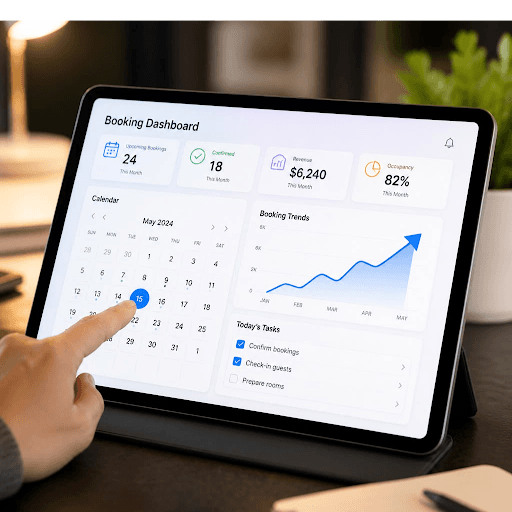
Before paying for any add-on feature, consider whether it will genuinely save time or reduce errors; the true value of a hotel booking program lies in the tools you actually need:
Booking management: helps you consolidate bookings, modifications, and cancellations in one place, reducing the need for manual follow-up.
Room Availability Updates: Crucial when accepting bookings from multiple channels, as it minimizes conflicts and double bookings.
Guest Data: Aggregates guest information, booking history, and notes into a profile that is easily accessible to your team.
Payments: Helps track paid and outstanding amounts while linking each transaction to the correct booking.
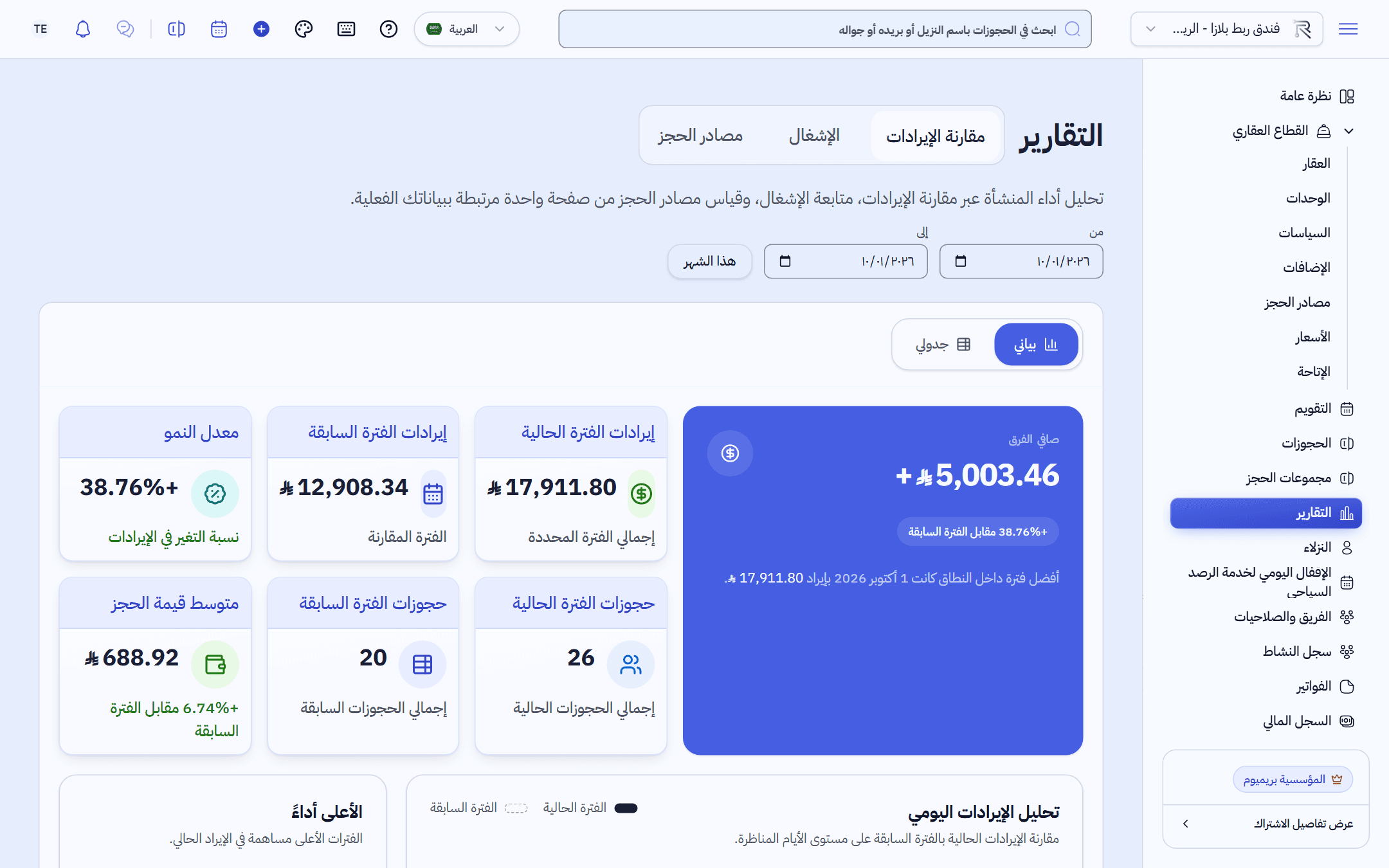
Reporting: Provides insights into occupancy, bookings, and revenue, helping you identify areas for improvement.
Booking Channel Integration: Accelerates the synchronization of bookings and availability across platforms, reducing the need for manual updates.
When does the cheapest booking software end up costing the hotel more?
A lower price point can turn into a higher cost if the hotel booking program fails to cover essential operational needs, forcing the team to rely on manual processes or supplementary tools.
This becomes apparent when staff must constantly update availability manually, cross-check bookings across multiple platforms, or repeatedly re-enter the same data.
Over time, the money saved on the subscription fee can easily be lost to the costs of extra working hours, operational errors, and task delays; therefore, it is best to evaluate the system's cost based on the entire operation, rather than just the price of the package.
How do you choose a hotel booking system that balances cost with operational efficiency?

Price alone isn't enough to evaluate a hotel booking program; true value lies in its ability to streamline operations and reduce reliance on disjointed tools.
The right system enables you to manage bookings, track room availability, connect booking channels, and handle payments and guest management from a single platform. When operations are interconnected, your team can manage workflows more easily, eliminating redundancy and the need for constant manual tracking.
This highlights the importance of comprehensive solutions such as Rabt which integrate booking management, operations, booking channels, booking engines, payments, revenue management, and guest engagement, alongside technical support. Such solutions allow your property to select a system that supports the entire operation, rather than just a tool for accepting reservations.
Start managing your bookings and property operations more efficiently with Rabt.
Rabt sorts it out for you
See Rabt on your property in a live demo.