A hotel doesn’t get overwhelmed by a high volume of bookings; it gets overwhelmed when every process operates in isolation from the others. When bookings, room status, and payments are managed separately, errors creep in at the simplest stage and compound as operations scale. This raises a crucial question: what is the pms system, and why has it become an essential system for managing hotels and tourism facilities?
what is the pms system and what is its function in hotels?

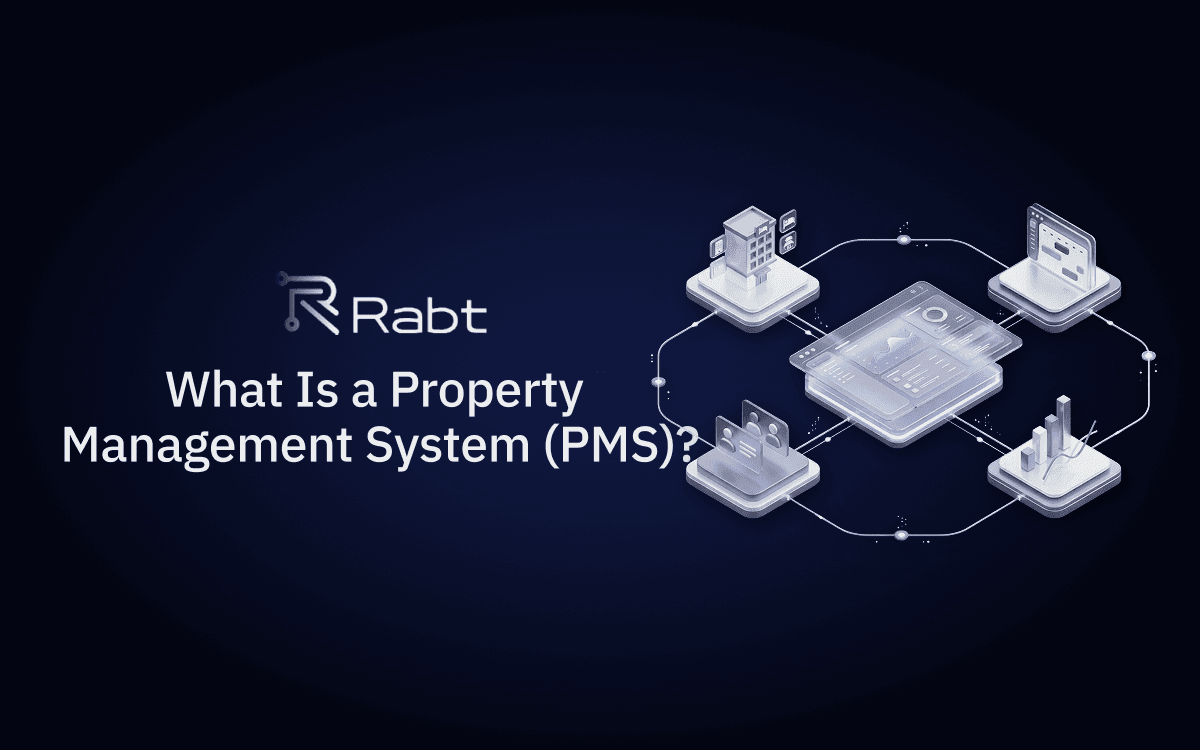
In short, it is a Property Management System (PMS) that acts as a central hub, consolidating the daily operations of a hotel, serviced apartment, or resort onto a single platform instead of distributing them across separate files and systems.
Through it, the staff can monitor reservations, room status, guest data, check-in and check-out, rates, payments, and reports.
What are the key functions a good PMS should provide?
Simply knowing what is the pms systemis isn't enough; you need to understand the functions that distinguish a system that genuinely supports operations from one that merely adds complexity. The most important functions to look for include:
Reservation and room management: Ensuring the status of each unit is clear and constantly updated.
Guest data management: Allowing easy access to stay details, past bookings, and modifications.
Payment and invoicing tracking: Clarifying the financial status of each booking without needing to check multiple sources.
Operational reporting: Tracking metrics like occupancy, revenue, and bookings to help management make more accurate decisions.
Integration with other systems: Particularly channel managers, booking engines, and payment solutions, to prevent operational silos.
Most importantly, these functions must be interconnected within the system; having them operate in isolation fails to solve the fundamental problem of operational fragmentation.
Why does your property need an integrated PMS rather than just a basic booking system?

A booking system answers a single question: who booked and when? However, running a property requires answers to many more questions such as unit availability, guest status, payment confirmation, and whether booking changes are accurately reflected across sales channels and reports.
A deeper look about what is the pms system shows that its role goes far beyond merely recording reservations; it interconnects these processes rather than leaving them scattered across separate tools. This minimizes manual data entry and provides management with a clear operational overview, from the moment of booking to guest departure.
The true value lies in having all these processes linked within a single system. This is where Rabt stands out as a cloud-based platform that unifies the management of bookings, units, guests, payments, channels, and reports. It eliminates the need to juggle multiple systems, ensuring operational data is transparent and accessible to both the team and management.
Shift from fragmented management to integrated operations with Rabt
What problems does a hotel PMS solve?
A practical understanding of what is the pms system is reveals its value in resolving daily operational challenges caused by fragmented information across various departments and tools. Key issues it addresses include:
Fragmented booking data: It consolidates booking, unit, and guest information into a single location, eliminating reliance on multiple sources that can lead to data inconsistencies.
Difficulty tracking room status: It provides real-time updates on the status of each unit, facilitating coordination between the front desk and the departments responsible for room preparation.
Excessive manual processes: It minimizes the need to re-enter the same information in multiple places, thereby reducing errors and saving the team's time.
Delayed access to information: It enables staff to quickly access required data instead of searching through separate files or systems.
In this way, the system resolves daily operational bottlenecks that impact workflow speed and service quality within the establishment.
How does a PMS affect the guest experience?

When viewing what is the pms system through the lens of the customer experience, it becomes clear that its role extends beyond merely organizing internal operations; it also enhances the guest journey from the moment of booking to departure.
A PMS streamlines this journey by consolidating booking data, room status, and guest information into a single platform. This enables the team to efficiently prepare rooms, manage requests, and respond quickly to any changes.
Ultimately, the guest enjoys a smoother experience because staff have the necessary information readily available. This minimizes daily friction and ensures the service appears more professional and organized.
What are the key reports a PMS provides to management?
A deeper understanding of what is the pms system reveals that its role extends beyond mere reservation management; it assists management in understanding the property's performance through clear operational and revenue data. Key reports provided include:
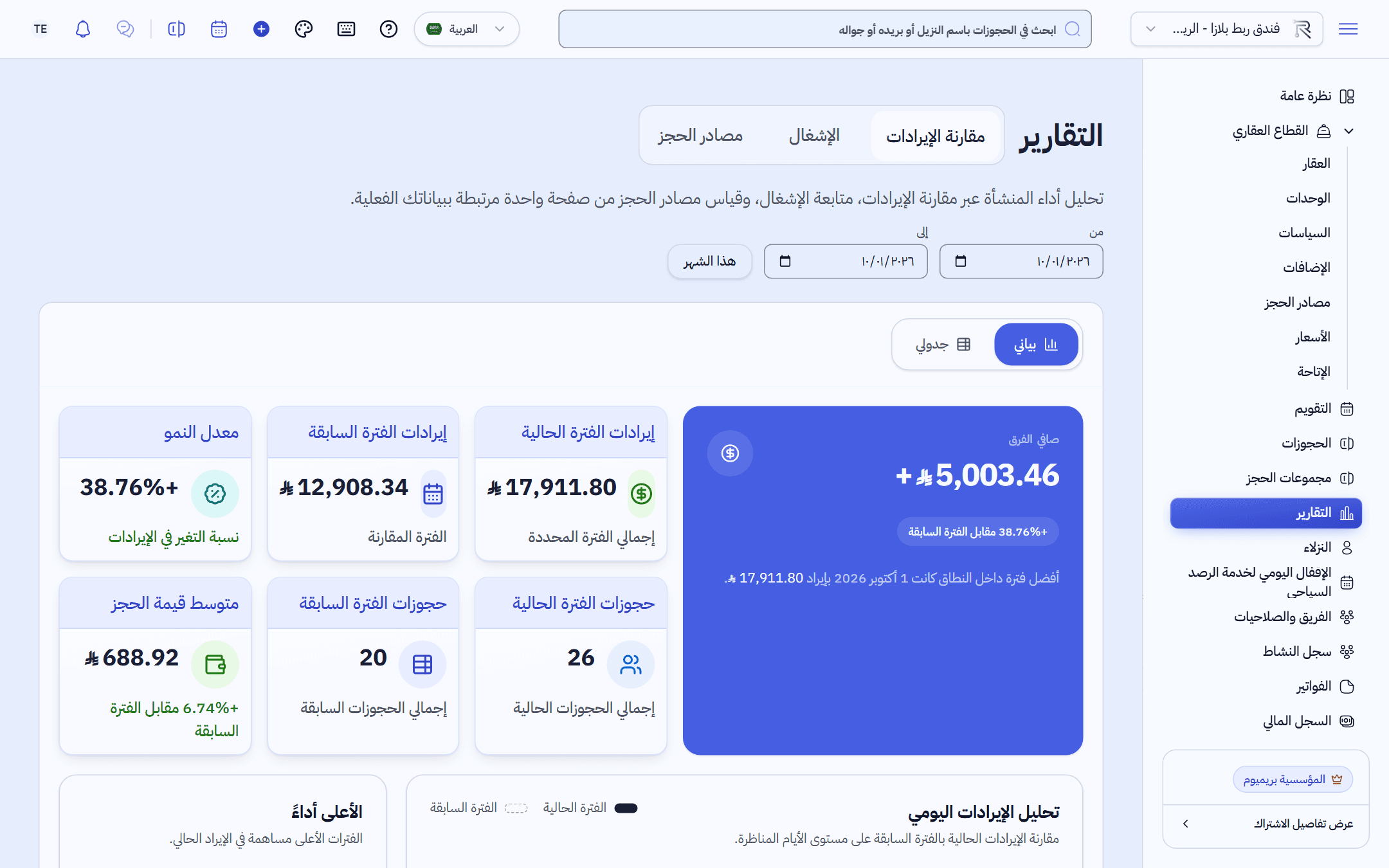
Occupancy reports: Show unit occupancy rates across various periods and aid in planning availability based on demand levels.
Reservation reports: Display reservation activity, sources, and associated modifications to identify the most impactful channels.
Revenue reports: Assist in tracking financial performance and comparing results across different periods.
Channel reports: Illustrate the performance of various booking channels and their contribution to attracting guests.
Guest reports: Provide information on stay patterns and preferences to improve service planning and the guest experience.
Through these reports, management can identify operational trends and pinpoint opportunities to enhance performance and improve decision-making efficiency.
How do you choose the right PMS for your property?
Once you understand what is the pms system is and its core functions, the selection process should begin with your property's operational workflow, rather than just the number of features the system offers. Before making a choice, define the number of units you manage, the booking channels you use, and how data flows between different departments within the property.
Next, evaluate the system based on its ability to update bookings and availability in real-time, minimize manual data entry, provide appropriate access levels for your team, and generate reports that help you track occupancy, revenue, and performance without needing to aggregate data from multiple sources.
Do not overlook scalability and integrations; the right system not only meets your current needs but also evolves alongside your business as you add units, channels, or team members. Therefore, understanding what is the pms system is goes beyond simply knowing how it functions it is a crucial step toward selecting a system that enables more efficient operations and more accurate decision-making.
Conclusion
Successful hospitality operations no longer depend on a multitude of tools, but rather on a system that creates greater cohesion between data and decision-making. Understanding what is the pms system is helps you select a solution that supports operations and keeps pace with your property's growth.
When the system aligns with your business needs, your team can focus on enhancing the guest experience instead of manually managing details. Solutions that integrate hospitality operations such as a cloud-based PMS designed for operational requirements—enable flexible management.
Transform the way you manage your property with a system that consolidates every detail in one place.
Rabt sorts it out for you
See Rabt on your property in a live demo.